When renting a property in Da Nang to open a restaurant, café, office, shop, hotel, or accommodation for expatriates, the fire safety and prevention system is one of the key aspects that must be inspected before commencing business operations.
However, one thing that many foreign clients are often unaware of is:
Not every commercial property needs to build a completely new fire protection system.
Actual requirements will depend on the type of business, area, number of floors, usage, structure of the building and existing fire protection system.
Therefore, before signing a long-term lease or starting to renovate the premises, tenants should clearly check the property's existing fire protection system and records.
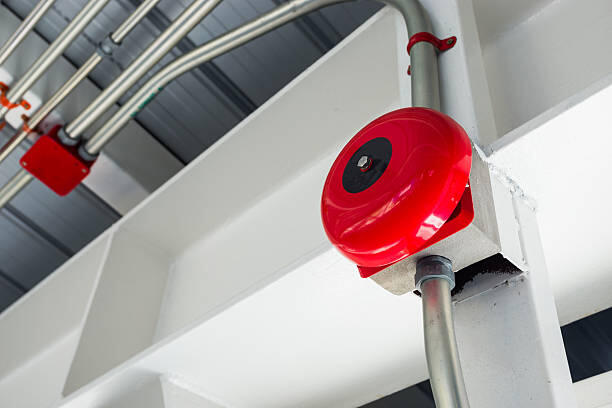
1. Not every business premise requires an overhaul of its fire prevention and fighting system.
In Da Nang, many commercial premises are located in buildings that have been built and equipped with fire protection systems in advance.
For example, a premises located on the first floor of a hotel, restaurant or commercial building may be connected to the general fire protection system of the entire building.
Depending on the specific facility, the system may include:
- Fire alarm system
- Smoke and heat detectors
- Fire extinguishers
- Emergency lighting
- Exit signage
- Fire hose system
- Sprinkler system
- Firefighting pumps and water tanks
- Emergency exits and related components
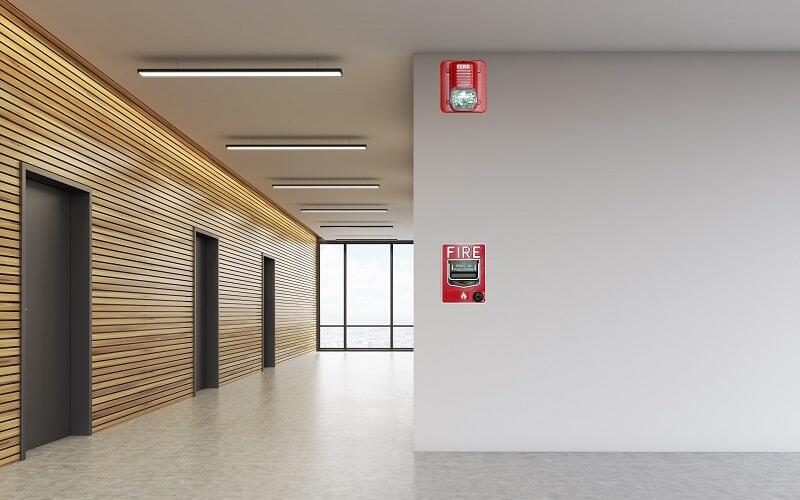
In this scenario, the tenant is not necessarily required to invest in a completely new, independent system.
However, the need for any additions or modifications to the system must still be assessed based on the actual conditions of the facility and the intended business model.
2. Different business models will have different requirements.
A small office will not have the same requirements as a restaurant, bar, hotel, or accommodation facility.
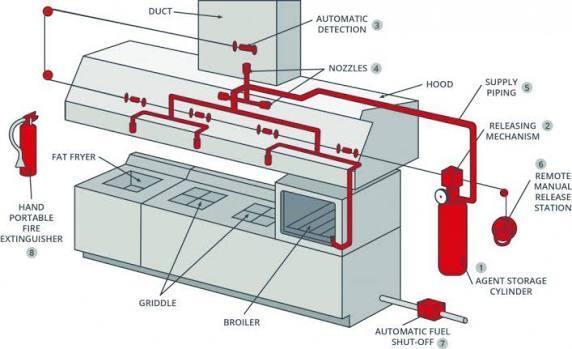
For a restaurant, for example, special attention must be paid to:
- Kitchen areas
- Cooking equipment
- Gas or electrical systems
- Smoke extraction systems
- Grease and heat sources
- Customer volume
- Emergency exits
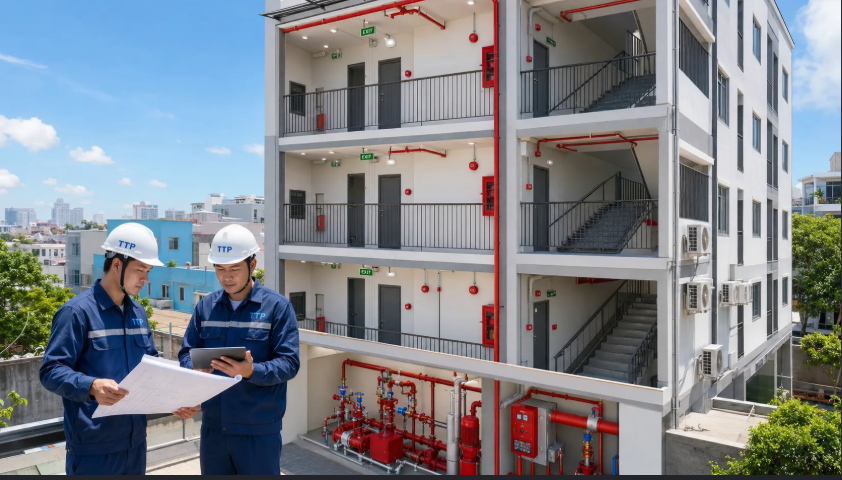
Meanwhile, regarding accommodation facilities, greater attention should be paid to:
- Bedrooms
- Occupancy (number of guests)
- Emergency exits
- Fire alarm systems
- Emergency lighting
- Number of floors
- Evacuation capabilities in the event of an incident
Therefore, fire safety costs or requirements should not be determined solely based on floor area.
The business model the tenant intends to implement is also a crucial factor.
3. Does the tenant have to cover the costs of fire prevention and fighting measures?
This matter should be clearly agreed upon at the outset of lease negotiations.
In practice, the landlord will provide existing documentation and information regarding the property--specifically, the records already available for the premises.
If the existing systems are suitable for the intended new use, the tenant may not need to invest in significant additional installations.
However, if the tenant:
- Changes the intended use of the premises;
- Renovates the space;
- Constructs additional rooms or reconfigures the layout;
- Installs a commercial kitchen;
- Modifies electrical or gas systems;
- Expands the scale of operations;
- Or implements a business model requiring higher fire safety standards,....
then additional fire safety measures may be required.
If these additional requirements arise from the tenant's specific business model or renovation needs, the associated costs are typically borne by the tenant, subject to the agreement between the parties.
Therefore, this matter should be clearly stipulated in the contract before the tenant proceeds with any investment.
4. What documents do homeowners need to provide?
When leasing a commercial property, tenants should request that the landlord provide existing fire safety documentation directly related to the premises.
Depending on the specific property, such documentation may include:
- Fire safety design plans or approval documents, where applicable;
- Fire safety acceptance records, if available;
- Information regarding the existing fire safety system;
- Records and documentation related to fire safety equipment;
- Floor plans; and
- Other documents concerning the legal status and fire safety compliance of the premises.
Not all properties have the same set of documentation.
Therefore, rather than demanding a standardized list of documents for every type of property, tenants should review the actual records for the specific property in question.
5. What if the tenant has to invest in an additional fire protection system?
If system upgrades are required, tenants should conduct an assessment before proceeding with renovations.
Typically, the process involves:
- Inspecting the property's current condition.
- Defining the business model.
- Assessing the existing fire safety system.
- Identifying necessary additions or upgrades.
- Consulting with fire safety specialists.
- Carrying out construction and installation if required.
- Conducting inspections, final acceptance checks, and relevant administrative procedures in accordance with applicable regulations.
Costs depend heavily on the specific circumstances.
A small shop might only require a few simple devices, whereas a large restaurant, hotel, or multi-story accommodation facility could require a significantly more complex system.
Therefore, there is no fixed cost for fire safety systems that applies to all commercial premises in Da Nang.
6. The ground floor of the hotel or restaurant may already be equipped with a fire protection system.
This is a point that foreign tenants should keep in mind.
If a commercial space is located on the ground floor of a hotel or building that already has a centralized fire safety system, many components may have already been installed and integrated into the building-wide infrastructure.
For example:
Building → Central fire alarm system → Fire suppression system → Emergency exits → Emergency power system
In such cases, tenants should not unilaterally install a separate system without first evaluating the existing one.
This is particularly important if the tenant plans to open a restaurant, kitchen, bar, or any business involving significant heat sources; they must verify whether the current system is adequate for their intended business model.
In other words: The mere presence of a fire safety system does not mean it is immediately suitable for every type of business without further modification or supplementation.
7. Who is responsible for and bears the costs of the additional fire prevention and fighting requirements?
This section should be clearly specified in the lease agreement.
Landlord
The landlord may provide:
- Existing fire safety documentation for the premises;
- Information regarding the current fire safety system;
- Relevant documents currently held for the premises;
- Arrangements for the tenant to inspect the system prior to leasing;
- Assistance in providing necessary documentation related to the building.
Tenant
Depending on the terms of the lease agreement, the tenant may be responsible for:
- Fire safety requirements arising from the specific business model;
- Costs associated with bespoke fit-outs or renovations;
- Additional equipment required for business operations;
- Costs for engaging professional services for assessment and installation;
- The maintenance and proper use of equipment within their scope of operation.
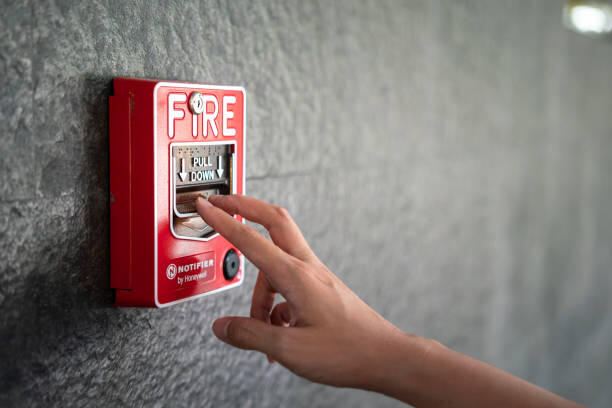
The most important point is that responsibilities and costs should be agreed upon before the contract is signed.
This allows the tenant to plan their budget proactively and helps avoid future disputes.
Commercial fire safety is a critical issue for foreign investors to thoroughly assess before leasing business premises or real estate for operations in Da Nang.
Not all properties require the installation of a new fire protection system.
Some premises--particularly commercial spaces located within hotels, restaurants, or buildings that already possess a centralized fire protection system--may already be equipped with many of the necessary components.
Conversely, if the tenant changes the intended use of the space or implements a business model with stricter safety requirements, additional installations may be necessary. In such cases, the associated costs may fall upon the tenant, depending on the underlying reasons and the terms of the lease agreement.
FAQ - Commercial Fire Safety in Da Nang
1. Are all commercial premises in Da Nang required to install a new fire protection system?
No. Fire safety requirements depend on the type of business, scale, structure, intended use, and the existing fire protection system of the specific property. Some premises may already be covered by a building-wide fire protection system and might not require a complete system overhaul.
2. How much does it cost to install a fire protection system for a commercial space in Da Nang?
There is no fixed price applicable to all properties. Costs depend on the floor area, number of stories, the condition of the existing system, the type of business, and any necessary upgrades or additions. An on-site inspection is recommended before preparing a cost estimate.
3. What should I ask the landlord before renting a commercial space?
Before signing a commercial lease in Da Nang, tenants should look beyond just location, rental rates, and business potential. Fire safety and prevention measures must also be thoroughly inspected--particularly for business models that utilize kitchens, cooking equipment, or high-capacity electrical systems, or involve activities with a high risk of fire or explosion.
a. What fire prevention and fighting systems are currently installed at the premises?
It is necessary to inspect the actual condition of existing fire prevention and fighting systems and equipment--such as fire alarm systems, fire extinguishers, emergency exits, fire water supply systems, and other fire safety equipment--based on the specific characteristics of the facility.
b. What fire safety records and documents currently exist for the premises?
The tenant should request that the landlord provide all existing fire safety records and documents related to the property. Depending on the specific building and its intended use, these documents may include design records, approval documents, acceptance certificates, or other relevant records as required by regulations.
c. What is the property's current intended use?
The current use of the premises is a crucial factor to determine before leasing. A space previously used as an office, residence, or retail store may be subject to different fire safety requirements than a restaurant or F&B establishment.
d. Is the intended business model suitable for the premises?
The tenant needs to confirm whether the intended business operations are compatible with the current functionality and condition of the property, as well as applicable fire safety regulations.
This is particularly important for restaurants, as cooking equipment, kitchen systems, ventilation and exhaust systems, electrical capacity, and other technical components may give rise to additional fire safety requirements.
e. If the fire protection system requires additions or upgrades, which party will bear the cost?
If the business model necessitates additions or upgrades to fire protection components, both parties should clearly agree in advance on the responsibilities and associated costs.
This matter should be clearly defined in the lease agreement before the tenant begins renovating the premises to minimize potential additional costs or future disputes.
Early inspection can help the tenant identify compliance issues, more accurately estimate renovation costs, and mitigate risks associated with future operations.
4.Who Pays for Additional Fire Safety Work, the Landlord or the Tenant?
It depends on why the additional work is required and what is agreed in the lease. If additional measures are required because of the tenant's specific business use or renovation, the tenant may be responsible for some or all of the costs. The responsibility should be clearly agreed before signing the lease.
Looking for a commercial property in Da Nang?
Da Nang Villa Realty supports foreign businesses with commercial property searches, lease negotiations, property inspections, and coordination related to renovation requirements. Contact our team before signing a lease to discuss your intended business use and property requirements.

Da Nang Villa Realty
Hotline: +84-79.509.3575
Email: infodvr@danangvillarealty.com
Address: 15 Ngo Thi Si Street, My An, Ngu Hanh Son, Da Nang
Available on Whatsapp / Line / Zalo
(Language: Japanese, English, Vietnamese)
07:31:23 query returned open=false
07:36:34 dblclick "general fire protection system of the entire building.

Depending on the specific facility, the system may include:" sidepanelOpen=false autoUpdate=true isAdv=true
07:36:34 dblclick "es located on the first floor of a hotel, restaurant or commercial building may be connected to the general fire protection" sidepanelOpen=false autoUpdate=true isAdv=true
07:36:36 dblclick "Depending on the specific facility, the system may include:" sidepanelOpen=false autoUpdate=true isAdv=true
07:36:40 dblclick "Depending on the specific facility, the system may include:" sidepanelOpen=false autoUpdate=true isAdv=true
07:36:47 dblclick "1. Not every business premise requires an overhaul of its fire prevention and fighting system.

In Da Nang, many commercial premises are located in buildings that have been built and equipped with fire protection systems in advance.
For example, a premises located on the first floor of a hotel, restaurant or commercial building may be connected to the general fire protection system of the entire building." sidepanelOpen=false autoUpdate=true isAdv=true
07:36:49 dblclick "In Da Nang, many commercial premises are located in buildings that have been built and equipped with fire protection systems in advance.
For example, a premises located on the first floor of a hotel, restaurant or commercial building may be connected to the general fire protection system of the entire building." sidepanelOpen=false autoUpdate=true isAdv=true
07:38:14 dblclick "For a restaurant, for example, special attention must be paid to:" sidepanelOpen=false autoUpdate=true isAdv=true
07:38:22 dblclick "business" sidepanelOpen=false autoUpdate=true isAdv=false
07:38:22 dblclick "2. Different business models will have different requirements." sidepanelOpen=false autoUpdate=true isAdv=true
07:38:26 dblclick "A small office will not have the same requirements as a restaurant, bar, hotel, or accommodation facility." sidepanelOpen=false autoUpdate=true isAdv=true
07:38:30 dblclick "- Kitchen areas
- Cooking equipment
- Gas or electrical systems
- Smoke extraction systems
- Grease and heat sources
- Customer volume
- Emergency exits" sidepanelOpen=false autoUpdate=true isAdv=true
07:38:54 dblclick "Meanwhile, regarding accommodation facilities, greater attention should be paid to:" sidepanelOpen=false autoUpdate=true isAdv=true
07:39:13 dblclick "the" sidepanelOpen=false autoUpdate=true isAdv=false
07:39:13 dblclick "3. Does the tenant have to cover the costs of fire prevention and fighting measures?" sidepanelOpen=false autoUpdate=true isAdv=true
07:39:38 dblclick "However, if the tenant:" sidepanelOpen=false autoUpdate=true isAdv=false
07:39:41 dblclick "However, if the tenant:" sidepanelOpen=false autoUpdate=true isAdv=false
07:39:55 dblclick "If these additional requirements arise from the tenant's specific business model or renovation needs, the associated costs are typically borne by the tenant, subject to the agreement between the parties." sidepanelOpen=false autoUpdate=true isAdv=true
07:41:31 dblclick "homeowners" sidepanelOpen=false autoUpdate=true isAdv=false
07:41:31 dblclick "4. What documents do homeowners need to provide?" sidepanelOpen=false autoUpdate=true isAdv=false
07:41:35 dblclick "When leasing a commercial property, tenants should request that the landlord provide existing fire safety documentation directly related to the premises.
Depending on the specific property, such documentation may include:
- Fire safety design plans or approval documents, where applicable;
- Fire safety acceptance records, if available;
- Information regarding the existing fire safety system;
- Records and documentation related to fire safety equipment;
- Floor plans; and
- Other documents concerning the legal status and fire safety compliance of the premises.
Not all properties have the same set of documentation.
Therefore, rather than demanding a standardized list of documents for every type of property, tenants should review the actual records for the specific property in question." sidepanelOpen=false autoUpdate=true isAdv=true
07:41:39 dblclick "Depending on the specific property, such documentation may include:" sidepanelOpen=false autoUpdate=true isAdv=true
07:41:46 dblclick "Not all properties have the same set of documentation." sidepanelOpen=false autoUpdate=true isAdv=true
07:42:51 dblclick "Typically, the process involves:" sidepanelOpen=false autoUpdate=true isAdv=false
07:42:58 dblclick "Therefore, there is no fixed cost for fire safety systems that applies to all commercial premises in Da Nang." sidepanelOpen=false autoUpdate=true isAdv=true
07:43:24 dblclick "protection" sidepanelOpen=false autoUpdate=true isAdv=false
07:43:24 dblclick "6. The ground floor of the hotel or restaurant may already be equipped with a fire protection system." sidepanelOpen=false autoUpdate=true isAdv=true
07:43:29 dblclick "6. The ground floor of the hotel or restaurant may already be equipped with a fire protection system." sidepanelOpen=false autoUpdate=true isAdv=true
07:44:00 dblclick "For example:" sidepanelOpen=false autoUpdate=true isAdv=false
07:44:09 dblclick "The mere presence of a fire safety system does not mean it is immediately suitable for every type of business without further modification or supplementation." sidepanelOpen=false autoUpdate=true isAdv=true
07:44:36 dblclick "fighting" sidepanelOpen=false autoUpdate=true isAdv=false
07:44:36 dblclick "7. Who is responsible for and bears the costs of the additional fire prevention and fighting requirements?" sidepanelOpen=false autoUpdate=true isAdv=true
07:44:50 dblclick "Landlord" sidepanelOpen=false autoUpdate=true isAdv=false
07:45:06 dblclick "Tenant" sidepanelOpen=false autoUpdate=true isAdv=false
07:45:23 dblclick "before" sidepanelOpen=false autoUpdate=true isAdv=false
07:45:24 dblclick "The most important point is that responsibilities and costs should be agreed upon before the contract is signed." sidepanelOpen=false autoUpdate=true isAdv=true
07:45:52 dblclick "Commercial fire safety" sidepanelOpen=false autoUpdate=true isAdv=false
07:46:01 dblclick "hotels, restaurants, or buildings that already possess a centralized fire protection system" sidepanelOpen=false autoUpdate=true isAdv=true
07:46:18 dblclick "depending on the underlying reasons and the terms of the lease agreement.

FAQ - Commercial Fire Safety in Da Nang" sidepanelOpen=false autoUpdate=true isAdv=true
07:46:20 dblclick "FAQ - Commercial Fire Safety in Da Nang" sidepanelOpen=false autoUpdate=true isAdv=false
07:46:26 dblclick "1. Are all commercial premises in Da Nang required to install a new fire protection system?" sidepanelOpen=false autoUpdate=true isAdv=true
07:46:31 dblclick "2. How much does it cost to install a fire protection system for a commercial space in Da Nang?" sidepanelOpen=false autoUpdate=true isAdv=true
07:46:34 dblclick "3. What should I ask the landlord before renting a commercial space?" sidepanelOpen=false autoUpdate=true isAdv=true
07:49:08 query returned open=false
07:54:51 dblclick "or example:
Building → Central fire alarm system → Fire suppression system → Emergency exits → Emergency power system" sidepanelOpen=false autoUpdate=true isAdv=true
07:54:53 dblclick "For example:
Building → Central fire alarm system → Fire suppression system → Emergency exits → Emergency power system" sidepanelOpen=false autoUpdate=true isAdv=true
04:15:55 query returned open=false
04:21:43 dblclick "When renting a property in Da Nang to open a restaurant, café, office, shop, hotel, or accommodation for expatriates, the fire safety and prevention system is one of the key aspects that must be inspected before commencing business operations.
However, one thing that many foreign clients are often unaware of is:" sidepanelOpen=false autoUpdate=true isAdv=true
04:22:01 dblclick "Not every commercial property needs to build a completely new fire protection system.
Actual requirements will depend on the type of business, area, number of floors, usage, structure of the building and existing fire protection system.
Therefore, before signing a long-term lease or starting to renovate the premises, tenants should clearly check the property's existing fire protection system and records." sidepanelOpen=false autoUpdate=true isAdv=true
04:23:01 dblclick "1. Not every business premise requires an overhaul of its fire prevention and fighting system." sidepanelOpen=false autoUpdate=true isAdv=true
04:23:11 dblclick "In Da Nang, many commercial premises are located in buildings that have been built and equipped with fire protection systems in advance.
For example, a premises located on the first floor of a hotel, restaurant or commercial building may be connected to the general fire protection system of the entire building." sidepanelOpen=false autoUpdate=true isAdv=true
04:23:21 dblclick "Depending on the specific facility, the system may include:
- Fire alarm system
- Smoke and heat detectors
- Fire extinguishers
- Emergency lighting
- Exit signage
- Fire hose system
- Sprinkler system
- Firefighting pumps and water tanks
- Emergency exits and related components" sidepanelOpen=false autoUpdate=true isAdv=true
04:23:38 dblclick "Depending on the specific facility, the system may include:
- Fire alarm system
- Smoke and heat detectors
- Fire extinguishers
- Emergency lighting
- Exit signage
- Fire hose system
- Sprinkler system
- Firefighting pumps and water tanks
- Emergency exits and related components" sidepanelOpen=false autoUpdate=true isAdv=true
04:23:51 dblclick "In this scenario, the tenant is not necessarily required to invest in a completely new, independent system.
However, the need for any additions or modifications to the system must still be assessed based on the actual conditions of the facility and the intended business model." sidepanelOpen=false autoUpdate=true isAdv=true
04:24:01 dblclick "2. Different business models will have different requirements." sidepanelOpen=false autoUpdate=true isAdv=true
04:24:09 dblclick "A small office will not have the same requirements as a restaurant, bar, hotel, or accommodation facility." sidepanelOpen=false autoUpdate=true isAdv=true
04:24:20 dblclick "For a restaurant, for example, special attention must be paid to:
- Kitchen areas
- Cooking equipment
- Gas or electrical systems
- Smoke extraction systems
- Grease and heat sources
- Customer volume
- Emergency exits" sidepanelOpen=false autoUpdate=true isAdv=true
04:26:22 dblclick "Meanwhile, regarding accommodation facilities, greater attention should be paid to:
- Bedrooms
- Occupancy (number of guests)
- Emergency exits
- Fire alarm systems
- Emergency lighting
- Number of floors
- Evacuation capabilities in the event of an incident" sidepanelOpen=false autoUpdate=true isAdv=true
04:26:59 dblclick "Therefore, fire safety costs or requirements should not be determined solely based on floor area.
The business model the tenant intends to implement is also a crucial factor." sidepanelOpen=false autoUpdate=true isAdv=true
04:27:08 dblclick "3. Does the tenant have to cover the costs of fire prevention and fighting measures?" sidepanelOpen=false autoUpdate=true isAdv=true
04:27:17 dblclick "This matter should be clearly agreed upon at the outset of lease negotiations.
In practice, the landlord will provide existing documentation and information regarding the property--specifically, the records already available for the premises.
If the existing systems are suitable for the intended new use, the tenant may not need to invest in significant additional installations." sidepanelOpen=false autoUpdate=true isAdv=true
04:27:27 dblclick "However, if the tenant:
- Changes the intended use of the premises;
- Renovates the space;
- Constructs additional rooms or reconfigures the layout;
- Installs a commercial kitchen;
- Modifies electrical or gas systems;
- Expands the scale of operations;
- Or implements a business model requiring higher fire safety standards,....
then additional fire safety measures may be required." sidepanelOpen=false autoUpdate=true isAdv=true
04:27:45 dblclick "If these additional requirements arise from the tenant's specific business model or renovation needs, the associated costs are typically borne by the tenant, subject to the agreement between the parties.
Therefore, this matter should be clearly stipulated in the contract before the tenant proceeds with any investment." sidepanelOpen=false autoUpdate=true isAdv=true
04:28:02 dblclick "4. What documents do homeowners need to provide?" sidepanelOpen=false autoUpdate=true isAdv=false
04:28:19 dblclick "When leasing a commercial property, tenants should request that the landlord provide existing fire safety documentation directly related to the premises." sidepanelOpen=false autoUpdate=true isAdv=true
04:28:29 dblclick "Depending on the specific property, such documentation may include:
- Fire safety design plans or approval documents, where applicable;
- Fire safety acceptance records, if available;
- Information regarding the existing fire safety system;
- Records and documentation related to fire safety equipment;
- Floor plans; and
- Other documents concerning the legal status and fire safety compliance of the premises." sidepanelOpen=false autoUpdate=true isAdv=true
04:29:53 dblclick "Not all properties have the same set of documentation.
Therefore, rather than demanding a standardized list of documents for every type of property, tenants should review the actual records for the specific property in question." sidepanelOpen=false autoUpdate=true isAdv=true
04:30:21 dblclick "5. What if the tenant has to invest in an additional fire protection system?" sidepanelOpen=false autoUpdate=true isAdv=true
04:30:24 dblclick "Therefore, rather than demanding a standardized list of documents for every type of property, tenants should review the actual records for the specific property in question.

5. What if the tenant has to invest in an additional fire protection system?" sidepanelOpen=false autoUpdate=true isAdv=true
04:30:26 dblclick "5. What if the tenant has to invest in an additional fire protection system?" sidepanelOpen=false autoUpdate=true isAdv=true
04:30:39 dblclick "If system upgrades are required, tenants should conduct an assessment before proceeding with renovations." sidepanelOpen=false autoUpdate=true isAdv=true
04:31:03 dblclick "Typically, the process involves:
- Inspecting the property's current condition.
- Defining the business model.
- Assessing the existing fire safety system.
- Identifying necessary additions or upgrades.
- Consulting with fire safety specialists.
- Carrying out construction and installation if required.
- Conducting inspections, final acceptance checks, and relevant administrative procedures in accordance with applicable regulations.
Costs depend heavily on the specific circumstances.
A small shop might only require a few simple devices, whereas a large restaurant, hotel, or multi-story accommodation facility could require a significantly more complex system.
Therefore, there is no fixed cost for fire safety systems that applies to all commercial premises in Da Nang." sidepanelOpen=false autoUpdate=true isAdv=true
04:31:21 dblclick "6. The ground floor of the hotel or restaurant may already be equipped with a fire protection system." sidepanelOpen=false autoUpdate=true isAdv=true
04:31:35 dblclick "This is a point that foreign tenants should keep in mind.
If a commercial space is located on the ground floor of a hotel or building that already has a centralized fire safety system, many components may have already been installed and integrated into the building-wide infrastructure." sidepanelOpen=false autoUpdate=true isAdv=true
04:31:44 dblclick "For example:
Building → Central fire alarm system → Fire suppression system → Emergency exits → Emergency power system" sidepanelOpen=false autoUpdate=true isAdv=true
04:31:54 dblclick "In such cases, tenants should not unilaterally install a separate system without first evaluating the existing one.
This is particularly important if the tenant plans to open a restaurant, kitchen, bar, or any business involving significant heat sources; they must verify whether the current system is adequate for their intended business model.
In other words: The mere presence of a fire safety system does not mean it is immediately suitable for every type of business without further modification or supplementation." sidepanelOpen=false autoUpdate=true isAdv=true
04:32:18 dblclick "7. Who is responsible for and bears the costs of the additional fire prevention and fighting requirements?" sidepanelOpen=false autoUpdate=true isAdv=true
04:32:32 dblclick "This section should be clearly specified in the lease agreement." sidepanelOpen=false autoUpdate=true isAdv=true
04:32:44 dblclick "Landlord
The landlord may provide:
- Existing fire safety documentation for the premises;
- Information regarding the current fire safety system;
- Relevant documents currently held for the premises;
- Arrangements for the tenant to inspect the system prior to leasing;
- Assistance in providing necessary documentation related to the building." sidepanelOpen=false autoUpdate=true isAdv=true
04:33:02 dblclick "Tenant
Depending on the terms of the lease agreement, the tenant may be responsible for:
- Fire safety requirements arising from the specific business model;
- Costs associated with bespoke fit-outs or renovations;
- Additional equipment required for business operations;
- Costs for engaging professional services for assessment and installation;
- The maintenance and proper use of equipment within their scope of operation." sidepanelOpen=false autoUpdate=true isAdv=true
04:33:40 dblclick "The most important point is that responsibilities and costs should be agreed upon before the contract is signed.
This allows the tenant to plan their budget proactively and helps avoid future disputes." sidepanelOpen=false autoUpdate=true isAdv=true
04:34:00 dblclick "Commercial fire safety is a critical issue for foreign investors to thoroughly assess before leasing business premises or real estate for operations in Da Nang." sidepanelOpen=false autoUpdate=true isAdv=true
04:34:11 dblclick "Not all properties require the installation of a new fire protection system.
Some premises--particularly commercial spaces located within hotels, restaurants, or buildings that already possess a centralized fire protection system--may already be equipped with many of the necessary components.
Conversely, if the tenant changes the intended use of the space or implements a business model with stricter safety requirements, additional installations may be necessary. In such cases, the associated costs may fall upon the tenant, depending on the underlying reasons and the terms of the lease agreement." sidepanelOpen=false autoUpdate=true isAdv=true
04:35:36 dblclick "FAQ - Commercial Fire Safety in Da Nang" sidepanelOpen=false autoUpdate=true isAdv=false
04:36:14 dblclick "r" sidepanelOpen=false autoUpdate=true isAdv=false
04:36:16 dblclick "1. Are all commercial premises in Da Nang required to install a new fire protection system?
No. Fire safety requirements depend on the type of business, scale, structure, intended use, and the existing fire protection system of the specific property. Some premises may already be covered by a building-wide fire protection system and might not require a complete system overhaul." sidepanelOpen=false autoUpdate=true isAdv=true
04:36:33 dblclick "2. How much does it cost to install a fire protection system for a commercial space in Da Nang?
There is no fixed price applicable to all properties. Costs depend on the floor area, number of stories, the condition of the existing system, the type of business, and any necessary upgrades or additions. An on-site inspection is recommended before preparing a cost estimate." sidepanelOpen=false autoUpdate=true isAdv=true
04:37:01 dblclick "3. What should I ask the landlord before renting a commercial space?" sidepanelOpen=false autoUpdate=true isAdv=true
06:19:04 query returned open=false
06:19:13 dblclick "3. What should I ask the landlord before renting a commercial space?" sidepanelOpen=false autoUpdate=true isAdv=true
06:23:53 dblclick "Before signing a commercial lease in Da Nang, tenants should look beyond just location, rental rates, and business potential. Fire safety and prevention measures must also be thoroughly inspected--particularly for business models that utilize kitchens, cooking equipment, or high-capacity electrical systems, or involve activities with a high risk of fire or explosion." sidepanelOpen=false autoUpdate=true isAdv=true
06:26:50 dblclick "e. If the fire protection system requires additions or upgrades, which party will bear the cost?" sidepanelOpen=false autoUpdate=true isAdv=true
06:26:54 dblclick "d. Is the intended business model suitable for the premises?" sidepanelOpen=false autoUpdate=true isAdv=true
06:27:03 dblclick "c. What is the property's current intended use?" sidepanelOpen=false autoUpdate=true isAdv=false
06:27:07 dblclick "a. What fire prevention and fighting systems are currently installed at the premises?" sidepanelOpen=false autoUpdate=true isAdv=true
06:30:30 query returned open=false
06:37:45 dblclick "※You should ask at least the following: what fire protection system is currently in place; what relevant documentation is available; what the property's current designated use is; whether your intended business model is suitable; and which party bears the cost if additional fire safety measures are required.

Fire safety requirements may vary depending on the property, intended use, building conditions, and applicable regulations. Tenants should confirm the specific requirements with qualified fire safety professionals and relevant authorities before signing a lease or starting renovation work." sidepanelOpen=false autoUpdate=true isAdv=true
06:38:29 dblclick "i will canceled" sidepanelOpen=false autoUpdate=true isAdv=false
07:28:37 query returned open=false
07:28:57 dblclick ""※You should ask at least the following: what fire protection system is currently in place; what relevant documentation is available; what the property's current designated use is; whether your intended business model is suitable; and which party bears the cost if additional fire safety measures are required.

Fire safety requirements may vary depending on the property, intended use, building conditions, and applicable regulations. Tenants should confirm the specific requirements with qualified fire safety professionals and relevant authorities before signing a lease or starting renovation work." - I will delete this section after you approve the article" sidepanelOpen=false autoUpdate=true isAdv=true
07:29:55 query returned open=false
07:32:18 query returned open=false
07:37:04 query returned open=false